
When it comes to furnishing a room, size matters – but it’s not just about picking pieces that fit. Choosing the right size furniture can transform a room, making it feel more functional, comfortable, and visually appealing. But how do you know if a piece will truly work for your space? Let’s break it down.
Understanding the Importance of Furniture Size
Why Size Matters for Your Room’s Functionality
Ever walked into a room and felt like there was just too much going on? That’s usually the result of mismatched furniture sizes. When furniture overwhelms a space, it can make the room feel cramped, limiting how well you can use it. The right size furniture allows for easy movement and ensures you have enough space to use your room for its intended purpose.
The Impact of Furniture Size on Room Aesthetics
Not only does the right-sized furniture improve functionality, but it also affects the aesthetics of the space. Oversized pieces can dominate a room, while furniture that’s too small might make the space feel disjointed. Striking the right balance is key.
Assessing Your Available Space
Measuring Your Room for Optimal Furniture Fit
Before you shop for furniture, grab a tape measure and note down your room’s dimensions. Don’t just measure the floor area; think about the height of the space, especially in rooms with lower ceilings.
Creating a Layout Plan: Tools and Tips
It’s a good idea to plan the layout before making any purchases. Use grid paper or digital tools to sketch out where you want your furniture to go.
How to Use Grid Paper or Digital Tools to Map Out Space
Using grid paper or digital layout tools allows you to visualize where each piece will go. This gives you a better sense of how each item will fit.
The Role of Doorways and Hallways in Furniture Size
Don’t forget to account for the path furniture will take to get into the room. Ensure that your doorways and hallways are wide enough for your new pieces to fit through.
Choosing the Right Size for Different Room Types
Living Room: Creating a Comfortable Yet Spacious Feel
In the living room, you want to balance comfort and space. A sofa should be large enough to seat everyone comfortably but not so big that it dominates the room. Remember, there needs to be ample space for walking and lounging.
Bedroom: Balancing Comfort and Functionality
The size of your bed will be the focal point of the room, but don’t forget about balance. Ensure there’s enough room to move around and for side tables or other essentials.
Dining Room: Size and Flow for a Social Atmosphere
Dining rooms are about flow. Your dining table should comfortably fit the number of people who use it, with plenty of space for chairs and easy movement around the table.
Office or Study: Finding the Perfect Balance Between Work and Relaxation
In an office or study, your furniture should complement your workflow without overwhelming the space. Opt for a desk size that fits your work needs while leaving room for movement.
Common Mistakes When Choosing Furniture Size
Overcrowding: How Too Much Furniture Can Disrupt Flow
You might love all the furniture you’ve picked, but cramming too many pieces into a room can lead to clutter and discomfort. Less is often more!
Underfurnishing: Why It’s Not Always Ideal
On the flip side, underfurnishing can make a room feel empty or incomplete. It’s important to strike the right balance – too little can leave a room feeling unfinished.
Market Trends in Furniture Sizing
Growing Preference for Multi-Functional, Space-Saving Furniture
With more people living in smaller spaces, multi-functional furniture is a huge trend. Items that can serve more than one purpose, like a sofa bed or a dining table with built-in storage, are great for maximizing space.
Trends in Compact and Modular Furniture for Small Spaces
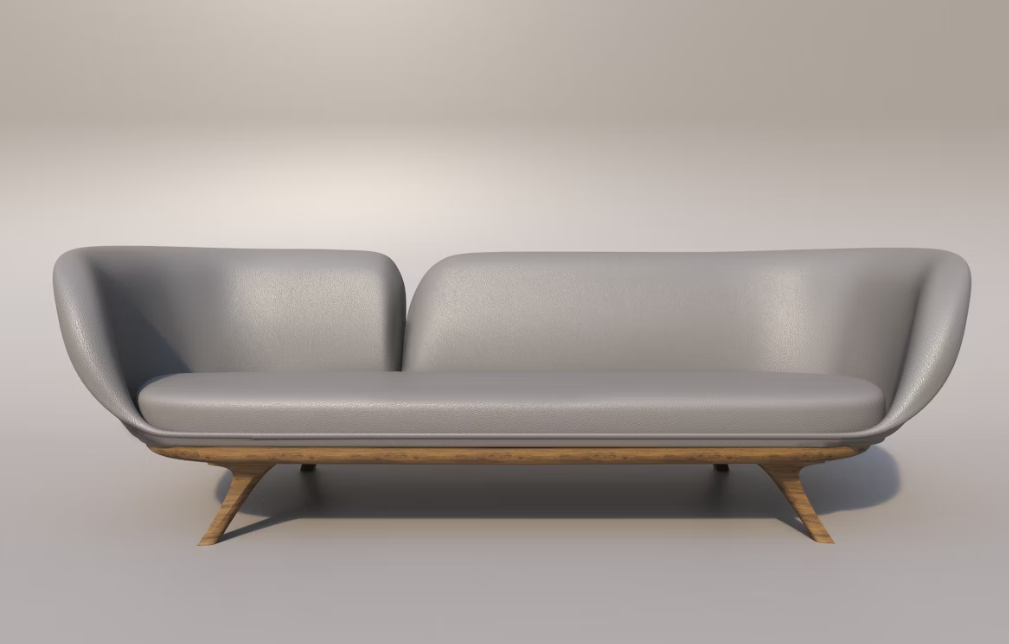
Compact, modular furniture is another growing trend. These pieces are designed to be versatile and adaptable to various room sizes and layouts, offering flexibility without sacrificing style.
How to Visualize Furniture Sizes Before Buying
Using Furniture Templates and Cut-Outs
A great way to get a feel for how a piece will fit is to use paper templates or cutouts. Place them on the floor to visualize the dimensions before you make the purchase.
Virtual Room Planners and Augmented Reality
Virtual room planners and AR tools allow you to see how furniture will look in your space before you buy it. These tools make it easy to experiment with different sizes without leaving your home.
Conclusion: Getting the Perfect Fit
Choosing the right size furniture involves thoughtful planning and consideration of your space. Remember to measure your rooms, account for flow, and be mindful of the latest trends in space-saving designs. If you take the time to plan carefully, you’ll create a space that feels both functional and aesthetically pleasing.
Final Tips for Choosing the Right Furniture Size
- Always measure twice before purchasing.
- Consider modular furniture for flexibility.
- Don’t forget about pathways and sightlines.
Looking Ahead: Future Trends in Furniture Sizing
The future of furniture sizing looks promising with the increasing popularity of adaptable, space-saving, and multi-functional designs. As people continue to downsize and embrace smaller living spaces, furniture will evolve to fit these needs.
Frequently Asked Questions (FAQs)
1. How do I know if my furniture is too big for my room?
The best way to tell is by measuring your room and comparing it with the dimensions of your furniture. Leave enough space for people to move around comfortably.
2. Should I prioritize comfort or style when choosing furniture size?
Ideally, both! Focus on pieces that fit well in your space and provide comfort, but don’t compromise on style.
3. How do I measure for furniture in odd-shaped rooms?
In odd-shaped rooms, measure the longest and widest parts, and consider using flexible furniture, like modular pieces, to better suit the layout.
4. Can I use large furniture in a small space?
Yes, but it’s important to choose pieces that don’t overwhelm the room. Consider multi-functional items or scaled-down versions of larger pieces.
5. What’s the best way to arrange furniture in a small apartment?
Use furniture with a smaller profile, and create clear pathways. Open, airy layouts work best in smaller spaces.