
When it comes to buying furniture for your child’s room, it’s a fine balance between ensuring safety and picking pieces that complement the room’s decor. Not only does the furniture need to be functional and durable, but it also needs to reflect your child’s personality and growing needs. Here are some essential tips to keep in mind when choosing kids’ furniture that prioritizes both safety and style.
Introduction: Why Choosing the Right Furniture for Kids Matters
Choosing kids’ furniture is more than just about filling up a room—it’s about creating a safe, comfortable, and functional space that supports your child’s growth. Whether it’s a toddler’s first bed or a pre-teen’s study desk, the right furniture ensures that your child’s environment is conducive to learning, playing, and growing.
Understanding the Key Elements of Kids’ Furniture
Kids’ furniture isn’t just about looking cute—it must tick all the boxes for safety, size, functionality, and style. Here’s a breakdown of the key elements you need to consider:
1. Safety Comes First: What to Look For
A. Non-toxic Materials
It goes without saying—kids love to explore and sometimes chew on furniture, so it’s crucial to ensure that any material used is non-toxic. Look for furniture made from lead-free paints and finishes, as well as fabrics that are free of harmful chemicals.
B. Round Edges and Smooth Finishes
Kids can be clumsy, so sharp corners can pose a serious risk. Opt for furniture with rounded edges or soft finishes that prevent injury from accidental bumps.
C. Sturdy Construction and Stability
Make sure the furniture is built to last and won’t tip over easily. Items like bookshelves, dressers, and desks should be anchored to the wall if necessary to prevent accidents.
2. Choosing the Right Size for Your Child’s Room
A. Understanding Age-Appropriate Sizing
The size of the furniture should be in proportion to the size of the room and your child’s age. A crib for a toddler should be snug and low to the ground, while a desk for a school-aged child should be at the right height to encourage proper posture.
B. Adjustable Furniture for Growing Kids
Furniture that adapts to your child’s changing needs is a smart investment. Adjustable beds, desks, and chairs that grow with your child can save you money in the long run while reducing the need for frequent replacements.
3. Functionality and Storage Solutions
A. Space-Saving Designs
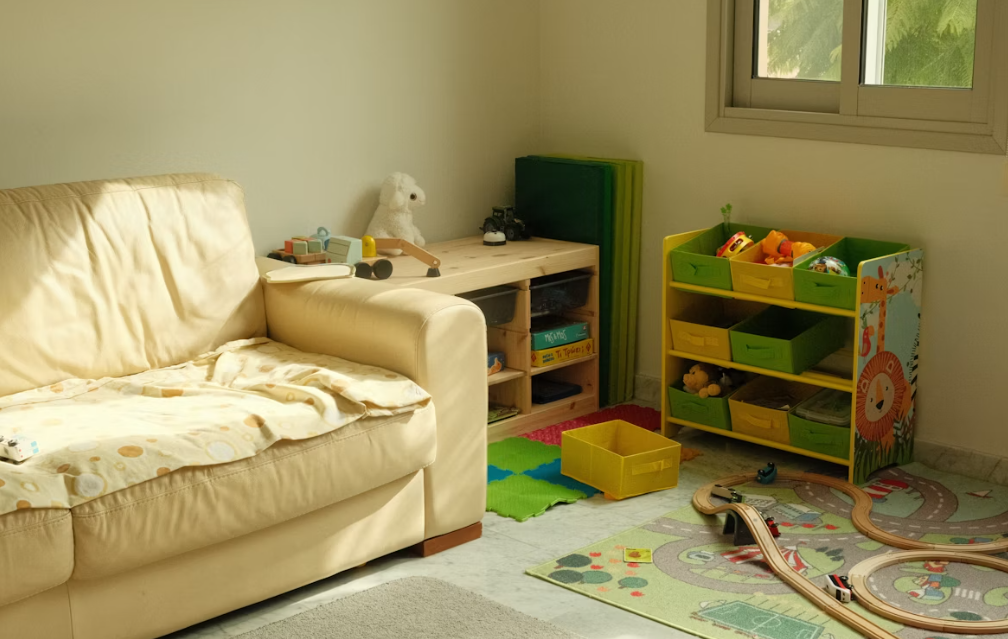
Kids’ rooms tend to be on the smaller side, so look for space-saving designs like loft beds or storage benches. These pieces make room for play while keeping everything organized.
B. Multi-functional Furniture
When it comes to functionality, multi-functional furniture is a game-changer. Consider pieces like a bed with built-in drawers, or a table that doubles as a study desk and play area. These versatile designs make the most of limited space and are perfect for growing families.
4. Style and Design: Merging Fun with Function
A. Gender-Neutral and Versatile Designs
When picking out kids’ furniture, it’s important to go for designs that won’t feel too “grown-up” as your child gets older. Gender-neutral furniture can be easily adapted as your child’s tastes evolve, providing flexibility for the future.
B. Trends in Kids’ Furniture Styles
Trends in kids’ furniture often reflect a blend of fun, creativity, and practicality. Think bright colors, nature-inspired themes, or minimalistic designs with playful accents. Trending designs include animal-shaped chairs, modular play furniture, and custom wall art to match your child’s personality.
5. Sustainability: Choosing Eco-Friendly Furniture
A. Materials That Are Better for the Planet
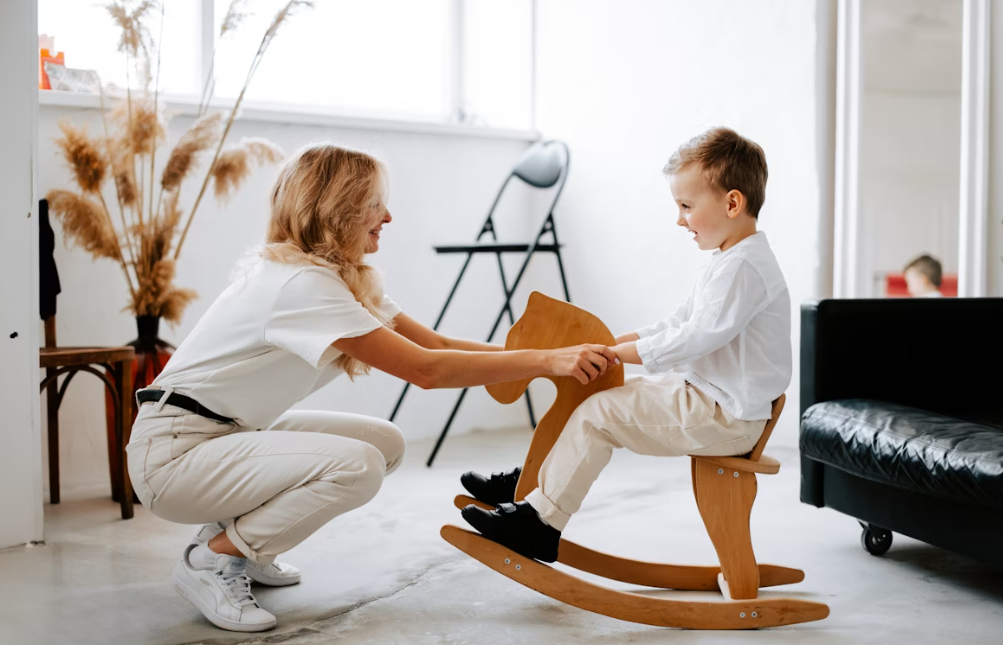
Eco-friendly furniture is made from sustainable materials like bamboo, reclaimed wood, and non-toxic finishes. Choosing environmentally-conscious pieces ensures that you’re reducing your carbon footprint while providing your child with a healthier space.
B. Brands that Prioritize Sustainability
Several brands have made it their mission to create sustainable, high-quality furniture for children. These brands focus on sourcing ethical materials and minimizing waste, offering products that are safe for both your child and the planet.
6. Budgeting: How Much Should You Spend?
A. Finding the Balance Between Cost and Quality
When it comes to kids’ furniture, spending a little more upfront can save you in the long run. Durable, high-quality pieces will stand the test of time, while cheaper alternatives may need replacing sooner than you’d like.
B. Long-Term Value: Furniture That Grows with Your Child
Opt for pieces that grow with your child’s needs—like a crib that converts into a toddler bed, or a chair that can adjust in height. These options provide long-term value without the need for frequent replacements.
7. Expert Tips: What the Pros Say About Buying Kids’ Furniture
Experts recommend considering both the functionality and aesthetics of each piece. “Furniture should not only serve a purpose but also inspire creativity in your child,” says interior designer Lily Hayes. “It should be a reflection of their interests and passions, whether that’s through color, shape, or texture.”
Conclusion: Putting It All Together for the Perfect Kids’ Room
When it comes to choosing the right furniture for your child’s room, it’s all about finding a balance between safety, functionality, and style. By focusing on sturdy, eco-friendly materials, age-appropriate sizes, and versatile designs, you can create a space that your child will love for years to come. Investing in durable, quality pieces will save you money in the long run while supporting your child’s growth and development.
FAQs
1. What should I look for in terms of safety when buying kids’ furniture?
Look for non-toxic materials, rounded edges, sturdy construction, and furniture that is properly anchored to prevent tipping.
2. How do I choose the right size furniture for my child?
Consider the size of the room and the child’s age. For growing children, adjustable furniture is a great option.
3. Can I find sustainable kids’ furniture?
Yes! Many brands focus on eco-friendly materials like bamboo and reclaimed wood, ensuring the furniture is both safe and environmentally friendly.
4. What are some tips for organizing a small kids’ room?
Look for space-saving and multi-functional furniture, such as loft beds and storage benches, to maximize room for play and organization.
5. How can I make sure the furniture I buy will last?
Invest in high-quality, durable pieces that can grow with your child and withstand years of wear and tear.