
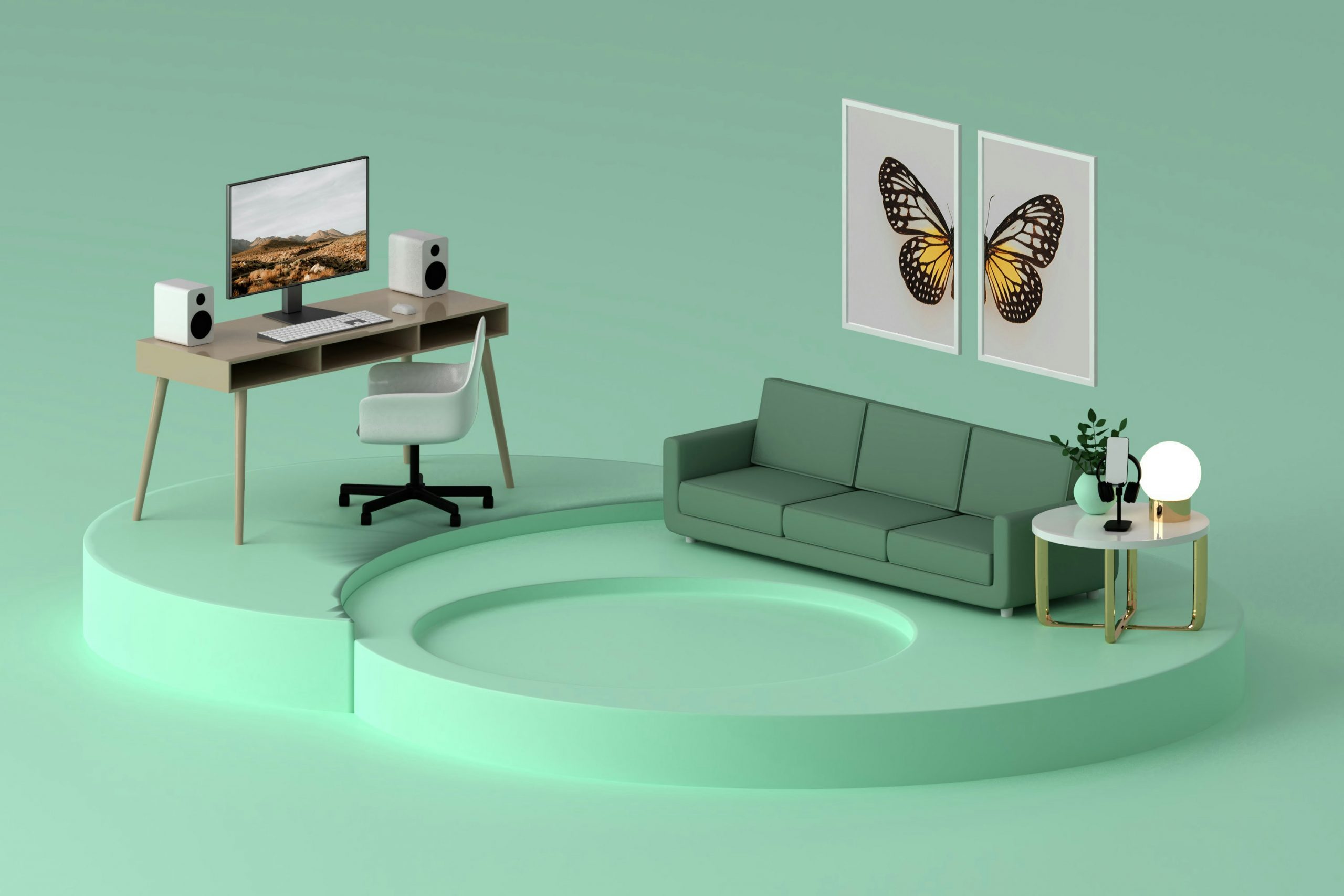
Modular furniture is becoming a buzzword in the world of home design, but is it the right choice for you? In this article, we’ll explore the advantages and drawbacks of modular furniture to help you decide if it fits your needs.
What is Modular Furniture?
Modular furniture refers to furniture that is designed in individual pieces or modules that can be rearranged or combined in various configurations. The beauty of modular furniture lies in its versatility, allowing you to adapt it to any room size or layout.
Why Modular Furniture Is Gaining Popularity
The Growing Demand for Customization
In today’s world, customization is key. Homeowners want pieces that reflect their unique style and adapt to their specific needs. Modular furniture offers the perfect solution by allowing you to mix and match modules to create a personalized layout that works for you.
Flexibility and Functionality in Modern Living
The rise of smaller living spaces and the shift toward multifunctional furniture makes modular designs an ideal choice. Whether you need a couch that doubles as a bed or a modular shelving unit that adapts to your changing storage needs, this furniture provides incredible flexibility.
Pros of Modular Furniture
Customizable to Fit Any Space
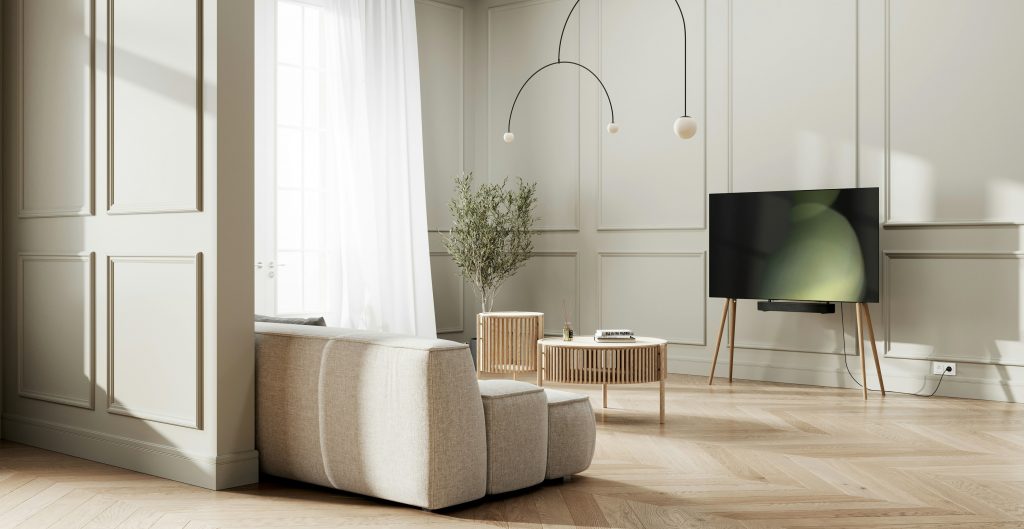
One of the most significant advantages of modular furniture is its ability to fit in almost any space. Whether you live in a cozy apartment or a sprawling home, you can configure your modular pieces to suit the size and shape of your room.
Cost-Effective Solutions for Budget-Conscious Shoppers
Modular furniture often comes in more affordable price ranges than traditional, custom-built furniture. With modular units, you can buy just what you need and add pieces over time, making it easier to spread out costs.
Easy to Transport and Move
Moving can be a hassle, but modular furniture makes it much easier. Since the pieces are often lighter and designed to be taken apart, you can disassemble your furniture, move it, and then reassemble it with minimal effort. This is particularly helpful for renters or those who frequently relocate.
Adaptable for Various Lifestyles and Needs
Whether you’re setting up a home office, a living room, or a kid’s playroom, modular furniture adapts to your changing lifestyle. Need extra seating for a party? Add more modules. Want a more compact arrangement? Simply rearrange the pieces. This adaptability makes it ideal for growing families or evolving living spaces.
Cons of Modular Furniture
Can Lack the Aesthetic of Traditional Furniture
One downside of modular furniture is that it can sometimes appear more utilitarian than aesthetically pleasing. While it’s functional and versatile, some designs may lack the elegance or sophistication of traditional, handcrafted pieces.
Quality Can Be Inconsistent
Not all modular furniture is created equal. While some brands focus on high-quality materials, others may cut corners to keep prices low. It’s essential to do your research and buy from reputable manufacturers to ensure you’re getting good value for your money.
May Be Less Durable Than Other Options
While modular furniture is great for flexibility and affordability, it may not always have the durability of traditional, high-end pieces. If you’re looking for long-lasting, heirloom-quality furniture, modular might not be the best option.
Is Modular Furniture Right for You?
Consider Your Space and Needs
If you’re living in a small apartment or constantly rearranging your furniture, modular pieces may be a game-changer. On the other hand, if you have a more permanent space or need high-end, durable pieces, traditional furniture may be more suitable.
Budget and Long-Term Investment
Modular furniture is often more affordable than custom or traditional furniture. However, if you’re looking for a long-term investment in high-quality, durable furniture, you may need to weigh the potential for wear and tear.
Market Trends and Consumer Preferences
Sustainability and Eco-Friendly Choices
As consumers become more eco-conscious, many modular furniture brands are focusing on sustainability. Look for companies that use recycled materials, sustainable wood, or environmentally friendly manufacturing processes.
Technological Integration in Modular Designs
Innovative brands are integrating technology into modular designs, offering features like built-in charging stations, smart storage solutions, and even adjustable lighting. This trend reflects the increasing desire for multifunctional, tech-savvy furniture.
Conclusion: Is Modular Furniture Worth the Investment?
Modular furniture is perfect for those seeking flexibility, affordability, and adaptability in their living spaces. However, it may not be the right choice for those who prioritize aesthetics or long-term durability. If you value customization and easy relocation, modular pieces are definitely worth considering.
Frequently Asked Questions
1. How does modular furniture compare to traditional furniture?
Modular furniture is more flexible and customizable, making it ideal for small spaces or those who frequently move. Traditional furniture tends to be more durable and aesthetically appealing but lacks the adaptability of modular designs.
2. Is modular furniture a good choice for small apartments?
Absolutely! Modular furniture is ideal for small apartments as it can be customized to fit the space and adapt as your needs change.
3. Can I add pieces to my modular furniture over time?
Yes! One of the biggest advantages of modular furniture is that you can purchase additional modules as needed to expand or reconfigure your setup.
4. Is modular furniture durable?
The durability of modular furniture varies by brand and materials. Some pieces are made with high-quality materials, while others may not be as durable. It’s important to choose reputable manufacturers.
5. How do I know if modular furniture is right for me?
Consider your space, lifestyle, and budget. If you need flexible, affordable furniture that can adapt to your changing needs, modular furniture is a great option.