
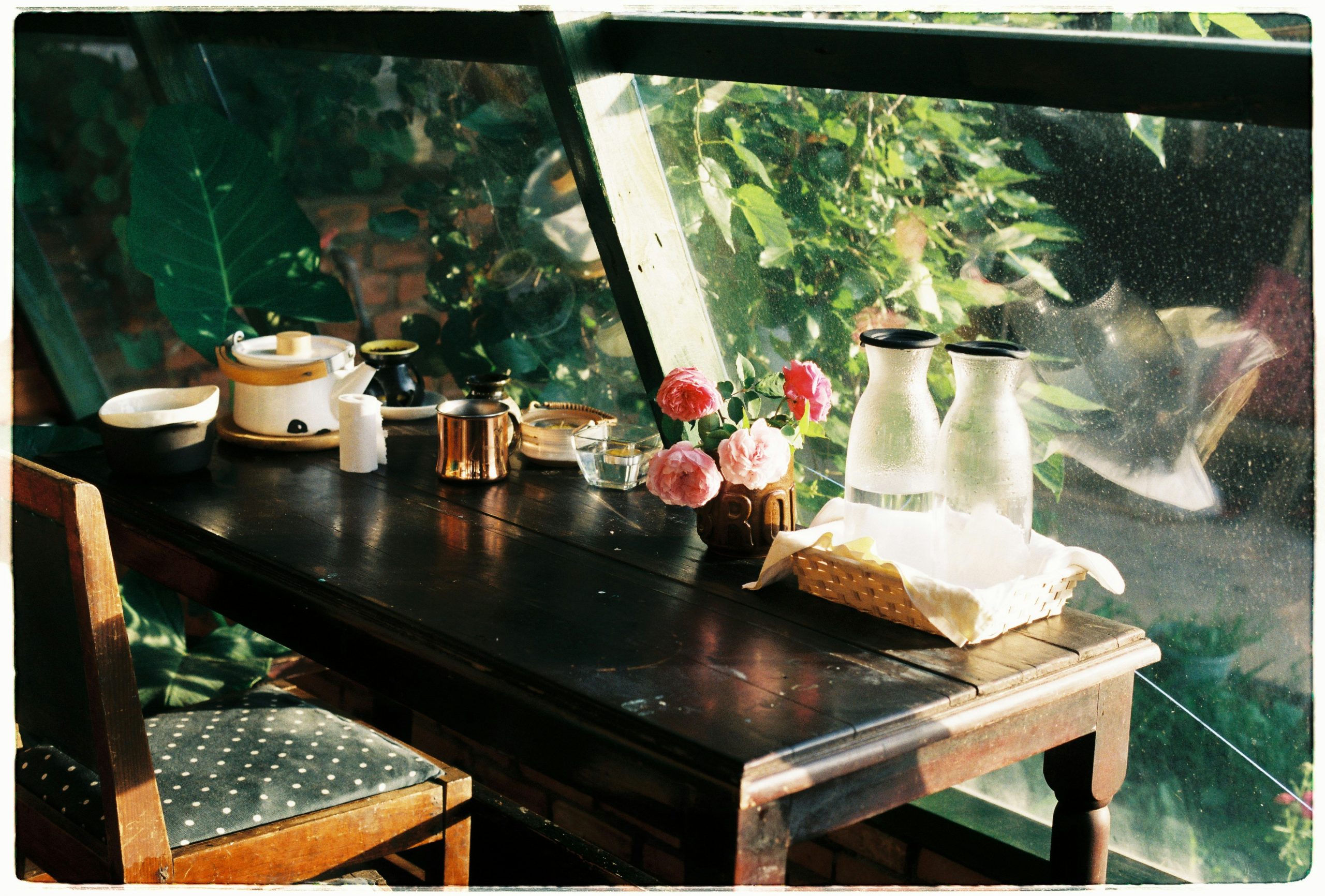
Are you dreaming of a rustic farmhouse table but don’t want to break the bank? Good news: building your own farmhouse table is not only achievable but can also be a fun and fulfilling project! Whether you’re a seasoned DIYer or a first-timer, this guide will walk you through everything you need to know to create your very own farmhouse masterpiece.
Introduction: Why a Farmhouse Table is Worth Building
Building a farmhouse table gives you the chance to add a personalized touch to your home. It’s an affordable way to get a high-quality, custom piece of furniture that suits your style. But, beyond just saving money, there’s something deeply satisfying about making your own furniture. Plus, farmhouse tables are timeless—bringing warmth and character to any space.
What Makes Farmhouse Style So Popular?
Farmhouse style is all about comfort, simplicity, and rustic charm. It evokes images of country living, family gatherings, and cozy evenings. The natural wood finishes, sturdy build, and welcoming vibe of farmhouse tables make them an ideal choice for dining rooms, kitchens, and even outdoor patios.
Materials You’ll Need to Get Started

Before you dive into this DIY project, it’s important to gather all the materials. Here’s a quick checklist:
Wood Selection: Choosing the Best for Your Table
The most important decision is selecting the right wood. Pine, oak, and cedar are popular choices, but you could also consider reclaimed wood for a more rustic, eco-friendly option. The wood should be sturdy enough to support the weight of the table but also easy to work with.
Tools You’ll Need: A Handy Checklist
Here are the tools you’ll need:
- Circular saw or table saw
- Drill with screws
- Wood glue
- Sandpaper or sander
- Measuring tape
- Clamps for securing pieces while working
Step-by-Step Guide to Building Your Farmhouse Table
Ready to get started? Let’s break it down into manageable steps.
Step 1: Planning and Measuring Your Table
Before you even pick up a saw, spend some time planning. How big do you want your table? Standard dining tables range from 60 to 72 inches in length and 30 to 36 inches in width. Make sure to measure your space to ensure your table fits comfortably.
Step 2: Cutting and Preparing the Wood
Once your measurements are set, it’s time to cut your wood. Use a saw to cut your tabletop and table legs. Sand the edges to remove any rough spots. Ensure all cuts are straight for easy assembly.
Step 3: Assembling the Table Frame
Now comes the fun part! Start by attaching the four legs to the frame. Make sure they are square and aligned. Use wood glue and screws for maximum stability.
Step 4: Attaching the Tabletop
Once the frame is assembled, it’s time to attach the tabletop. Lay the tabletop upside down, align it with the frame, and secure it with screws. This is where you’ll see your hard work come together.
Step 5: Sanding and Finishing the Surface
Smooth out the surface of the table using sandpaper or a sander. This will ensure there are no rough patches. Then, apply your desired finish—whether it’s a light stain, a rich dark color, or a protective clear coat.
Step 6: Sealing and Protecting Your Table
After your finish is dry, apply a sealant to protect your table from stains and scratches. Polyurethane is a great option for durability.
Design Considerations: Customizing Your Farmhouse Table
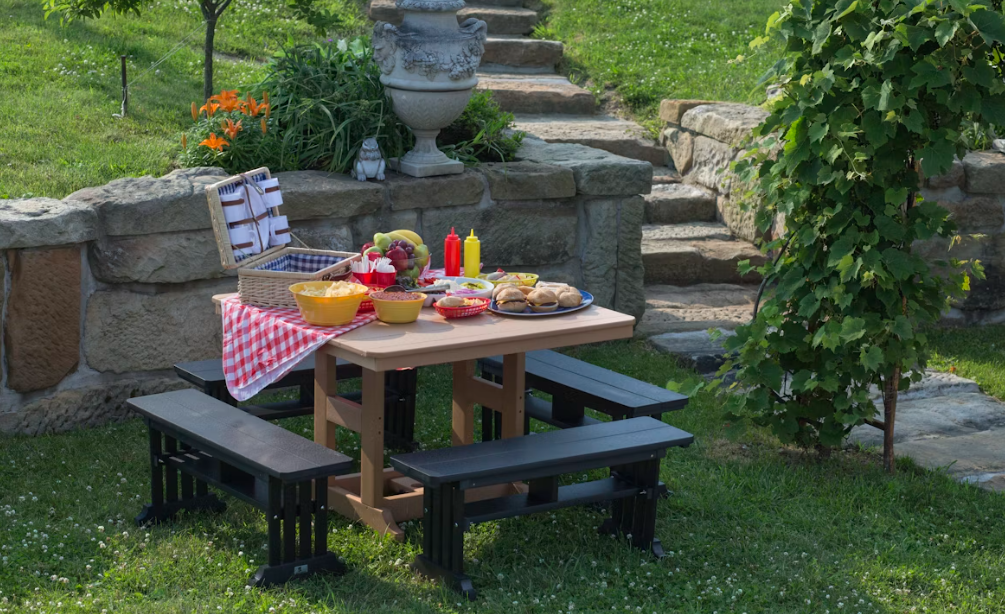
A farmhouse table is a canvas for your creativity. Here are some ways you can make it your own:
Table Shape and Size
While rectangular is the traditional choice, you can also opt for a round or oval table if you prefer a softer look. Tailor the size to fit your space—whether it’s a small breakfast nook or a large family dining table.
Color and Finish Options
Farmhouse tables are known for their natural wood tones, but feel free to explore different colors. A distressed white finish can give the table a vintage feel, while dark walnut stains add a more contemporary touch.
Adding Personal Touches with Decorative Elements
Consider adding decorative elements like turned legs, carvings, or even metal brackets for added flair. These small details can turn an ordinary table into a showpiece.
Market Trends in DIY Furniture Projects
In recent years, DIY furniture has seen a surge in popularity. People are more inclined to build their own furniture for several reasons, including cost-effectiveness, creativity, and sustainability.
Popularity of DIY Farmhouse Style
DIY farmhouse tables have become one of the most popular home improvement projects, thanks to social media platforms like Pinterest and Instagram. Homeowners love the charm and versatility of farmhouse furniture, and building it themselves adds a personal touch.
Sustainability and Eco-Friendly Trends
With sustainability at the forefront of consumer minds, more people are opting for reclaimed wood and other eco-friendly materials to create their farmhouse furniture. This trend is not only good for the environment but also adds character to the final product.
Conclusion: Enjoy Your Handmade Farmhouse Table
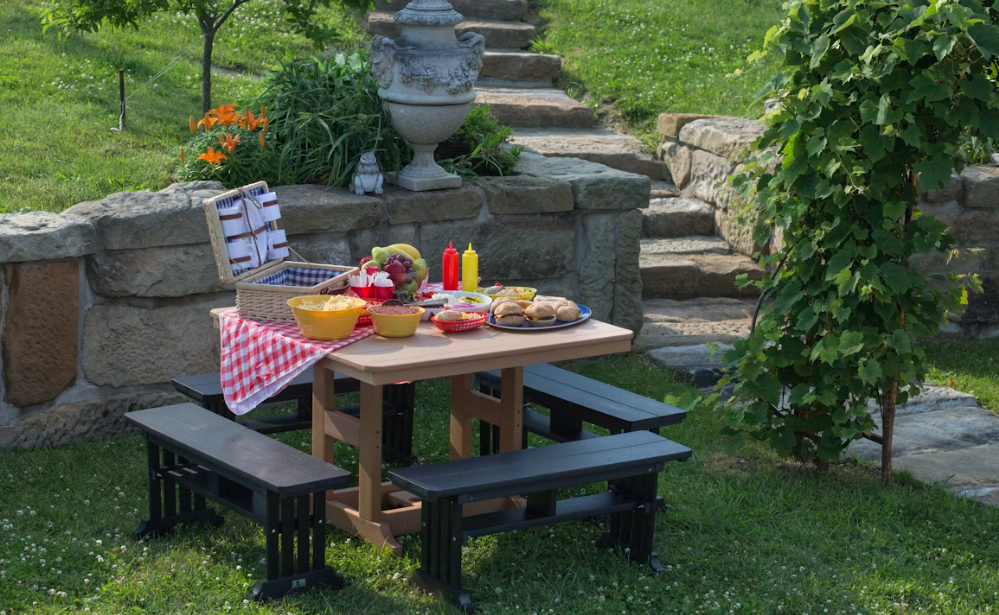
Building a farmhouse table is a rewarding DIY project that adds both beauty and functionality to your home. From the satisfaction of crafting something with your own hands to the joy of enjoying it with loved ones, this project is one you’ll cherish for years to come.
Looking Ahead: Future Trends in DIY Furniture
As the demand for custom-made furniture grows, we can expect to see even more creative, sustainable, and innovative DIY projects in the future. Farmhouse-style furniture will continue to evolve, incorporating modern twists while maintaining that cozy, timeless appeal.
FAQs: Your Top Questions Answered
Q1: How much does it cost to build a farmhouse table?
A1: The cost varies depending on the materials you choose, but a typical DIY farmhouse table can range from $100 to $300, significantly cheaper than buying a pre-made one.
Q2: How long does it take to build a farmhouse table?
A2: Depending on your skill level and tools, it can take anywhere from 10 to 20 hours to complete the project.
Q3: Can I build a farmhouse table if I’m a beginner?
A3: Absolutely! As long as you follow the instructions carefully and take your time, a beginner can build a beautiful farmhouse table.
Q4: What’s the best wood for a farmhouse table?
A4: Pine is the most common choice because it’s affordable and easy to work with. However, oak and walnut provide a more luxurious finish.
Q5: Do I need special tools to build a farmhouse table?
A5: While basic tools like a saw, drill, and sander are sufficient, having a table saw can make the process easier and more accurate.